A 1977 Film That Predicted Today's UFO Obsession
Steven Spielberg's Close Encounters of the Third Kind may be approaching its 50th anniversary, but according to reports, the 1977 science fiction classic feels strikingly relevant to contemporary discussions happening in 2026. The film's exploration of government secrecy, UFO sightings, and conspiracy theories has taken on new significance as real-world conversations about extraterrestrial contact and institutional transparency dominate headlines.
Recent years have seen renewed public interest in UFO phenomena, with government disclosure debates and conspiracy theories about hidden alien contact moving from fringe topics to mainstream discussion. This cultural shift makes Spielberg's decades-old exploration of these themes feel prescient and culturally urgent in ways the filmmaker may never have anticipated.
From Fiction to Congressional Hearings
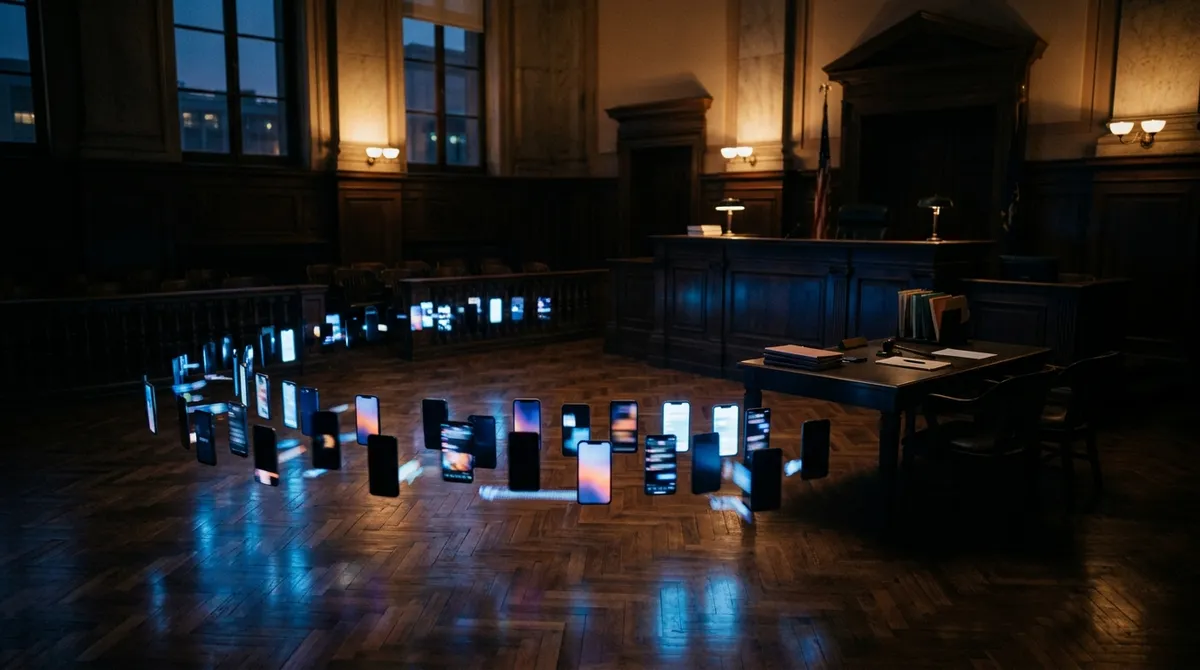
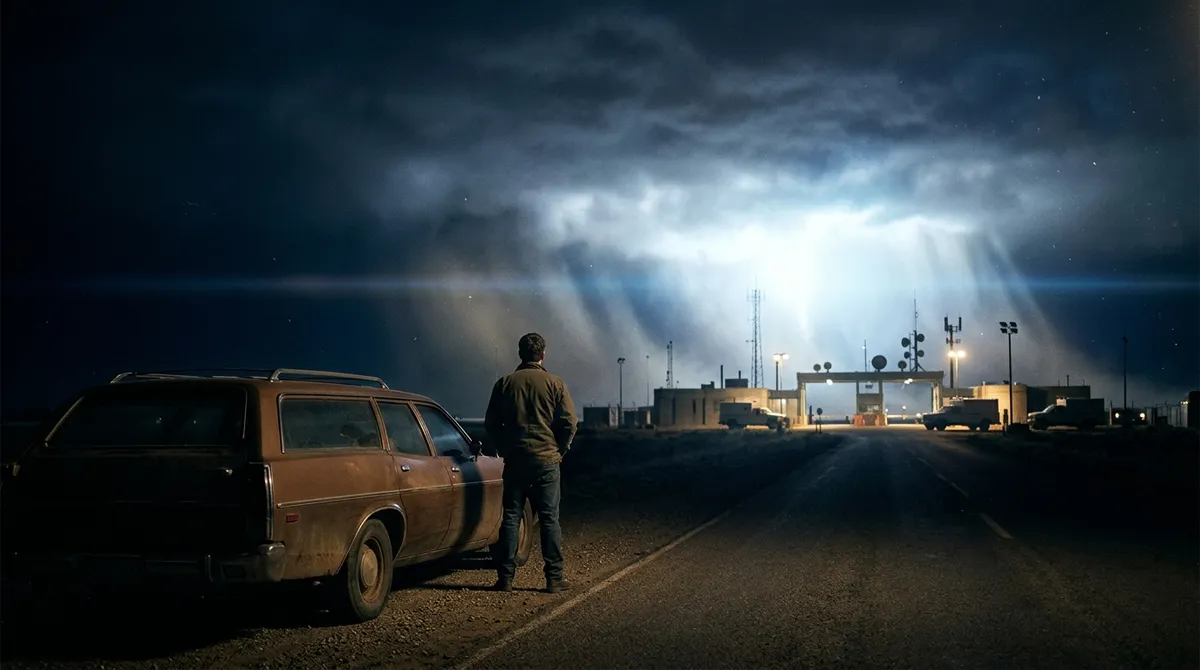
The film's portrayal of government cover-ups and institutional denial now serves as a template that continues to influence conspiracy narratives today. According to reports, Close Encounters depicted ordinary people discovering truth in the face of official secrecy—a dynamic that resonates powerfully with modern UFO disclosure movements and transparency advocates.
What makes this particularly striking is how the film's 1977 anxieties about government secrecy can be directly compared to 2026's actual declassified UFO reports and congressional hearings. The line between science fiction and reality has blurred in ways that make Spielberg's vision feel almost prophetic.
Visualizing the Unknown
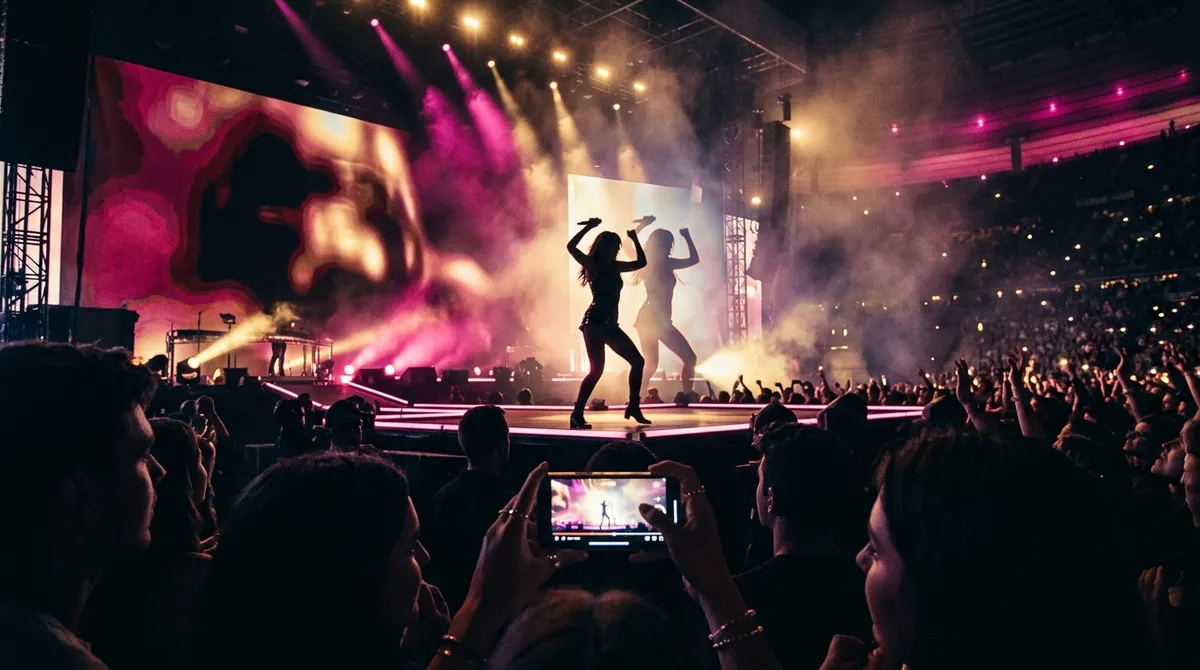
Spielberg's influence extends beyond just predicting cultural conversations—the director fundamentally shaped how audiences visualize and mythologize first contact with extraterrestrial life. The film's iconic imagery and storytelling approach established visual and narrative conventions that continue to influence how we imagine alien encounters decades later.
This cultural impact speaks to the psychology of belief and why audiences both then and now are drawn to stories of hidden alien truth. The film tapped into fundamental human curiosities about what lies beyond our understanding and what authorities might be concealing from public knowledge.
When Conspiracy Meets Culture
The relevance of Close Encounters in 2026 highlights how science fiction can serve as a cultural barometer, reflecting societal anxieties that prove remarkably persistent across decades. The film's themes of institutional mistrust, the search for truth, and the possibility of contact with otherworldly intelligence continue to resonate because these fundamental questions remain unresolved.
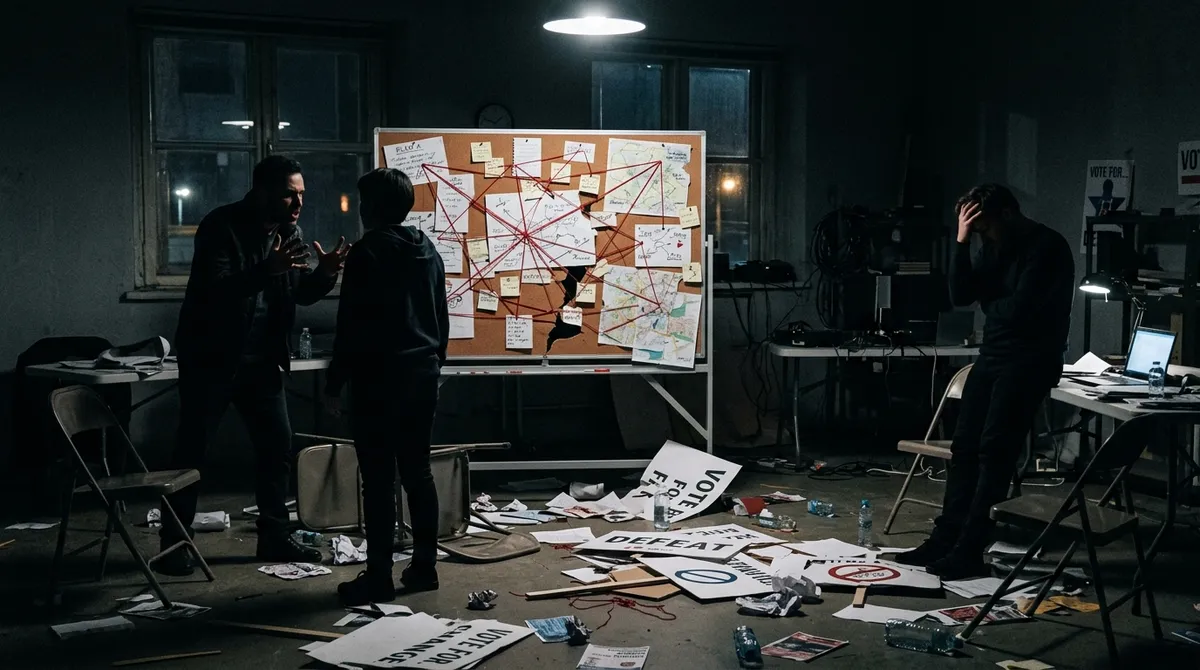
Creators and commentators can draw meaningful parallels between the film's portrayal of government cover-ups and modern UFO disclosure movements, examining how Spielberg's fictional narrative predicted many elements of today's real-world conversations about transparency and the unknown.
The Lasting Impact of Cinematic Prophecy
As UFO phenomena transition from tabloid fodder to serious governmental and scientific inquiry, Close Encounters of the Third Kind stands as a remarkable example of science fiction's power to anticipate cultural shifts. The film's exploration of the tension between official denial and personal truth-seeking has become a blueprint for understanding how conspiracy theories develop and persist in popular culture.
The continued relevance of Spielberg's 1977 masterpiece demonstrates how the most enduring science fiction doesn't just entertain—it provides a lens through which we can examine our deepest fears and hopes about the unknown, government transparency, and humanity's place in a vast universe that may not be as empty as we once believed.