A Quiet Farm Becomes a Crime Scene
A chilling true-crime story from rural England demonstrates how seemingly harmless threatening notes can escalate into shocking violence. The case of dairy farmer Graham Backhouse and his family has captivated true-crime audiences for its eerie progression from mysterious messages to a near-fatal bombing.
According to reports, Graham Backhouse inherited a farm he never wanted and struggled to keep the operation financially viable. What began as an unwanted inheritance soon became the backdrop for a terrifying campaign of intimidation that would leave his family forever changed.
From Mysterious Messages to Real Terror
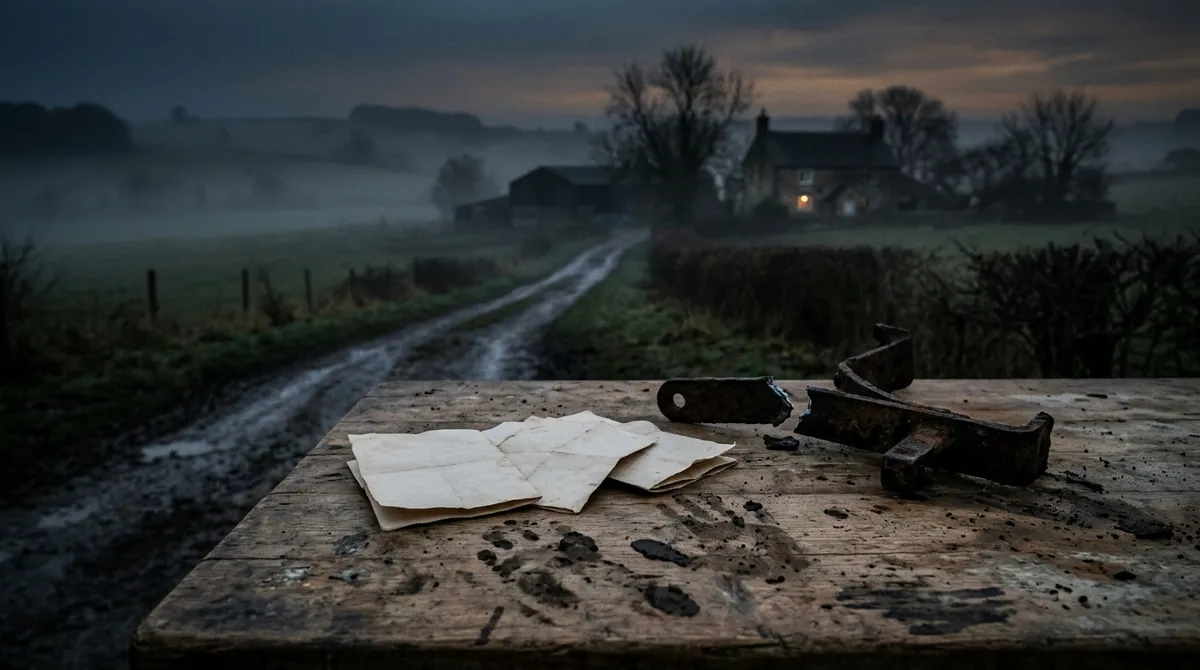
The harassment began with threatening notes arriving at the Backhouse farm. While the initial messages may have seemed like pranks or empty threats, the situation took a sinister turn that no one could have anticipated.
The escalation reached a horrifying milestone when a severed lamb's head appeared with the ominous message "You next." This grotesque warning marked a clear shift from psychological intimidation to genuine physical threat, signaling that whoever was behind the harassment was prepared to take their campaign to dangerous new levels.
The Attack That Changed Everything
The threatening campaign culminated in a devastating car bombing that nearly claimed a life. A bomb had been planted in Graham's car, but it was his wife Margaret who became the victim when the device detonated. The explosion severely injured Margaret, turning the family's ordeal from psychological terror into a life-threatening reality.
This attack represents the kind of escalation that law enforcement experts warn about when stalking and intimidation cases are not taken seriously from the outset. What begins as "harmless" notes can quickly spiral into violence when left unchecked.
Questions About Police Response
According to reports, police had been alerted to the situation before the bombing occurred, but appeared slow to act on the warnings. This delayed response raises important questions about how law enforcement handles escalating threat cases, particularly in rural areas where such incidents might be dismissed as pranks or neighbor disputes.
The case highlights a troubling pattern seen in many stalking situations where early warning signs are not treated with the seriousness they deserve. The progression from notes to severed animal parts to explosive devices represents a clear escalation that might have been prevented with more aggressive intervention.
Why Rural Crime Feels Different
True-crime enthusiasts are particularly drawn to cases like the Backhouse family's ordeal because they tap into the unsettling contrast between peaceful rural settings and sinister criminal behavior. There's something especially chilling about violence erupting in quiet farming communities where such things "aren't supposed to happen."
The psychological impact of being targeted in an isolated rural setting adds another layer of terror to the experience. Unlike urban environments where help might be nearby, rural victims often face the additional fear of being truly alone when threats turn real.
Lessons in Escalation
The Backhouse case serves as a stark reminder that threatening behavior rarely remains static. Criminal psychologists often point to cases like this to illustrate how unchecked intimidation campaigns tend to escalate over time, with perpetrators becoming bolder and more dangerous when their initial actions don't result in consequences.
The progression from anonymous notes to animal mutilation to attempted murder represents a textbook example of how stalkers and harassers test boundaries, gradually increasing the severity of their actions to maintain the psychological impact on their victims.
A Story That Resonates Today
This decades-old case continues to fascinate modern audiences because it touches on contemporary fears about stalking, police responsiveness, and the vulnerability of ordinary families to extraordinary violence. The story feels like something out of a thriller novel, yet its basis in real events makes it all the more unsettling.
For true-crime followers, the Backhouse family's experience represents the kind of "stranger than fiction" case that demonstrates how real life can be more terrifying than any horror movie plot.