The Fast-Paced World of Procedural Casting
While prestige television continues to dominate headlines with shorter seasons and limited series, a different side of the industry is quietly serving as Hollywood's most reliable talent pipeline. According to reports from a recent ATX TV Fest panel, procedural shows like 9-1-1, Tracker, Fire Country, Chicago Med, and S.W.A.T. are creating unprecedented opportunities for emerging actors.
Casting directors Eric Souliere, Veronica Collins Rooney, and Rebecca Mangieri shared insights into their high-volume craft during the festival, revealing how the relentless pace of procedural television has become both a challenge and an opportunity for the industry.
Why Procedurals Matter More Than Ever
As prestige TV seasons continue to shrink, procedurals remain one of the few formats still producing 18-to-22-episode runs with constant guest roles. This makes them increasingly important career pipelines for actors, casting teams, and creators trying to understand how TV talent is discovered today.
According to the panel discussion, the case-of-the-week storytelling format keeps casting directors constantly searching for fresh faces. This creates what industry insiders are calling Hollywood's "hidden talent engine" – a system that provides entry points for actors who might otherwise struggle to break into the industry.
The Four-Day Casting Challenge
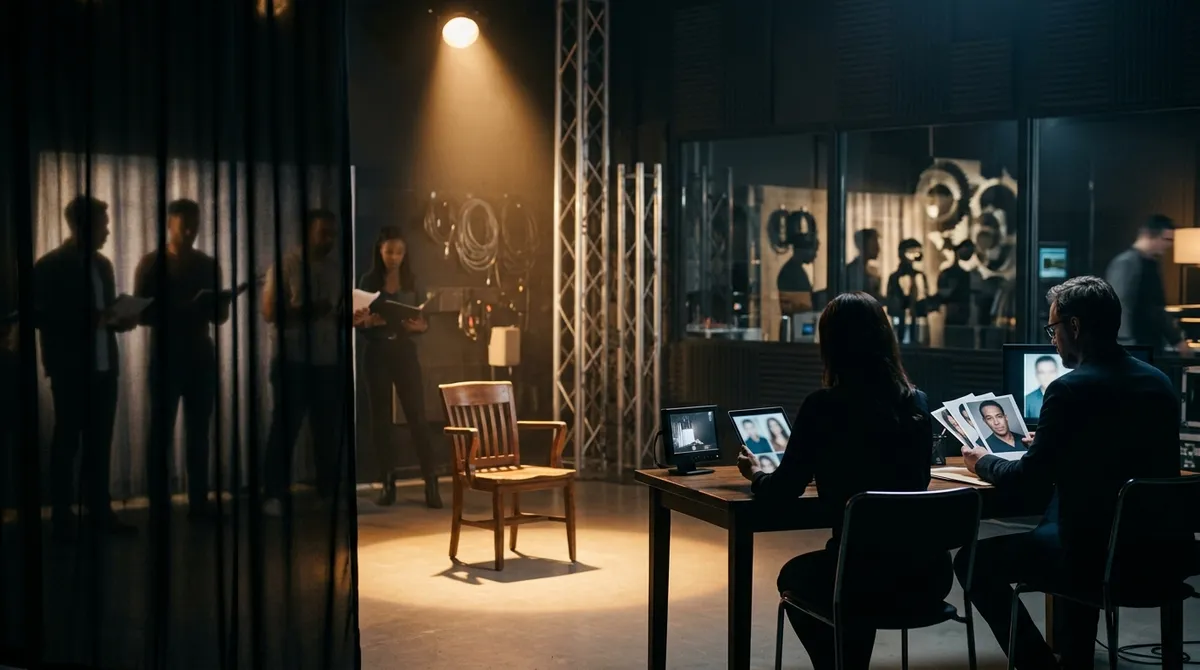
One of the most striking revelations from the ATX TV Fest panel was the breakneck speed at which procedural casting operates. According to reports, casting directors are tasked with casting a full episode in just four days – a timeline that would be unthinkable in other television formats.
This demanding schedule requires casting teams to work efficiently while still maintaining the quality and authenticity that viewers expect. The pressure is particularly intense when shows need to create regional authenticity, requiring casting directors to find actors who can believably represent specific geographic areas and communities.
The Logistics Behind the Magic
Beyond the speed requirements, procedural casting involves complex logistics that many viewers never consider. According to the panel, one significant challenge involves avoiding repeat actors across different television universes – particularly important when multiple procedural shows exist within the same network or production company ecosystem.
This requirement adds another layer of complexity to an already demanding process, as casting directors must maintain detailed records and coordinate across multiple productions to ensure continuity and avoid audience confusion.
A Launchpad for Future Stars
The panel highlighted how procedural television has historically served as a launching pad for actors who later became major stars. The format's need for constant new faces means that many now-famous performers got their early breaks through procedural-style television appearances.
This pattern continues today, with procedural shows providing valuable screen time and experience for emerging talent. For actors looking for practical insight into where early career breakthroughs still happen, procedurals represent one of the most accessible entry points in an increasingly competitive industry.
The Future of Procedural Casting
As the television landscape continues to evolve, the role of procedural shows in talent development appears to be growing rather than diminishing. While streaming platforms and limited series capture critical attention, the steady production schedule and guest role opportunities of procedurals make them an essential part of the industry ecosystem.
For casting directors, this means continuing to balance speed with quality while managing the complex logistics of high-volume production. For actors, it represents one of the few remaining formats where persistence and talent can still lead to meaningful opportunities in an industry that often seems impenetrable.
The ATX TV Fest panel ultimately revealed that while procedural television may not generate the same buzz as prestige dramas, it remains a vital component of how Hollywood discovers and develops new talent.