
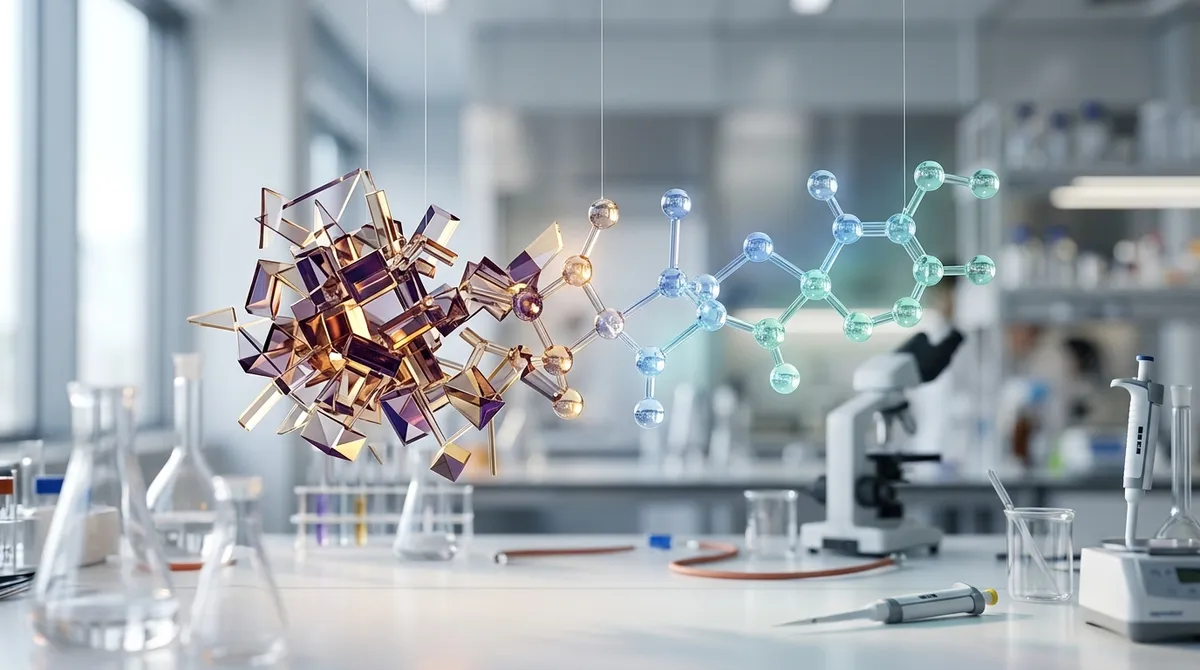
LSD, a substance historically associated with psychedelic experiences, is being revisited by scientists seeking to unlock its therapeutic potential for mental health without the accompanying hallucinogenic effects. Researchers are making strides in modifying the chemical structure of LSD to retain its beneficial properties while eliminating the mind-altering experience. This innovative approach could pave the way for new treatments for various mental health disorders.
Understanding LSD's Therapeutic Potential
LSD, or lysergic acid diethylamide, has been known for its profound impact on perception, mood, and cognition. Its potential in addressing mental health issues has been recognized for decades, but the hallucinogenic side effects have long overshadowed its medical utility. Researchers are now focusing on separating the therapeutic aspects from the psychedelic experiences to utilize LSD more effectively in clinical settings.
The Science Behind LSD Modification
Recent studies have concentrated on altering the LSD molecule to minimize its hallucinogenic properties while preserving its therapeutic benefits. By tweaking its structure, scientists aim to create a version of LSD that can alleviate symptoms of depression, anxiety, and PTSD without inducing hallucinations. This development could revolutionize the way mental health conditions are treated, offering a new class of medication that maximizes benefits and minimizes risks.
Potential Benefits of Modified LSD
The primary aim of modifying LSD is to harness its ability to enhance neuroplasticity, which is crucial for cognitive function and emotional regulation. Enhanced neuroplasticity could lead to improved mental health outcomes, offering patients a new hope for recovery. Additionally, a non-hallucinogenic form of LSD could reduce the stigma associated with psychedelic therapies, encouraging more widespread acceptance and use in medical communities.
Challenges and Considerations
While the promise of modified LSD is significant, several challenges remain. The process of altering the LSD molecule without compromising its effectiveness is complex and requires extensive research. There are also regulatory hurdles to overcome, as new drugs must undergo rigorous testing to ensure safety and efficacy. Moreover, ethical considerations regarding the use of psychedelic substances in therapy need to be addressed to gain public trust and acceptance.
Looking Ahead: The Future of Psychedelic Therapies
The ongoing research into modified LSD is part of a broader trend exploring psychedelic substances for mental health treatment. This field is rapidly growing, with numerous studies investigating the potential of psychedelics like psilocybin and MDMA. As more evidence emerges supporting their efficacy, the medical community is increasingly interested in these alternative treatments. If successful, modified LSD could become a cornerstone of future therapeutic strategies, offering a unique and effective approach to mental health care.
Conclusion
The quest to harness LSD's therapeutic potential while eliminating its hallucinogenic effects represents a significant leap forward in mental health treatment. By focusing on molecular modifications, researchers hope to create a safe and effective therapeutic tool that could transform the lives of individuals suffering from mental health disorders. As the science progresses, modified LSD may soon join the ranks of innovative solutions providing new hope for mental wellness.